
Uncontrolled Diet: A Major Risk Factor for Heart Attack
How your daily food choices silently damage your heart — and what to eat instead
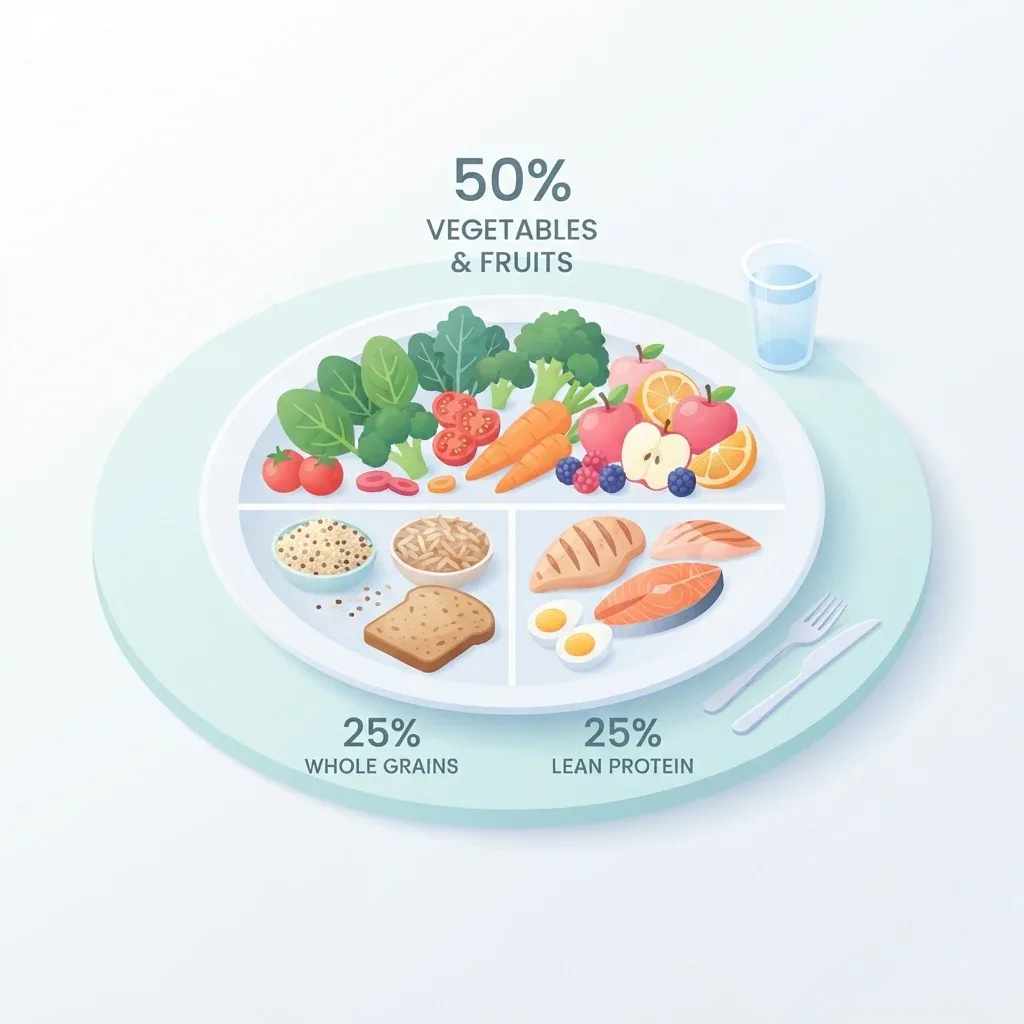
Uncontrolled eating habits are one of the most overlooked causes of heart attack. Red meat, fried foods, sweets, and soft drinks raise cholesterol and triglycerides, narrow the coronary arteries, and increase body weight — all of which dramatically raise heart attack risk. This guide explains which foods to avoid, which to eat less, and which to eat more for a healthy heart.
Key Takeaways
- Red meat (beef, mutton, pork) raises triglycerides and cholesterol, narrowing coronary arteries
- Chocolate, sweets and soft drinks indirectly cause heart attack through weight gain
- Colored fruits and vegetables (carrot, tomato, greens) protect arteries with beta-carotene
- Fast food like rolls, chowmein and chips silently adds harmful fat
- Adults should eat no more than 25-30g of fat per day
- Whole grains can reduce heart attack risk by 21%
- Avoid completely: smoking, alcohol, red meat, fried foods, soft drinks, full-cream dairy
- Eat more: all fruits, small fish, egg white, green vegetables, whole grains
Why Diet Matters for Your Heart
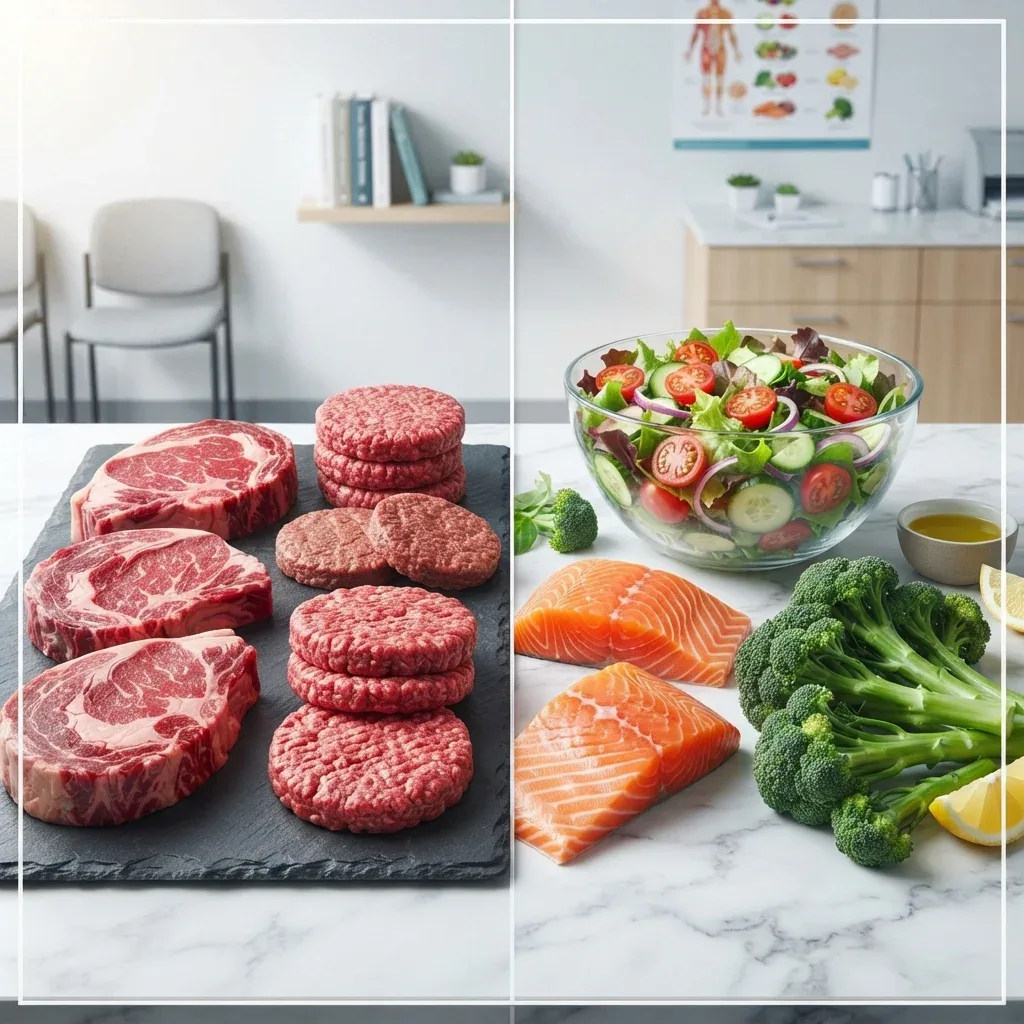
Like other risk factors, what you eat plays a major role in causing heart attacks. Red meat such as beef, mutton, and pork can bring on heart disease.
Eating red meat and other fatty foods raises triglyceride and cholesterol levels in the blood. Fatty deposits build up inside the coronary arteries, gradually narrowing them. This is one of the primary causes of coronary artery disease.
Earlier it was believed that red meat should be avoided only after the age of forty. Now, however, experts say that members of families with a history of heart attack should avoid red meat from a very young age.
Foods That Silently Harm Your Heart
Sweets, Chocolate & Soft Drinks
Chocolate, sugar, excess sweets, and soft drinks are equally responsible for heart disease, just like red meat. Eating one or two sweets occasionally will not cause a heart attack — but regular consumption of sweets, chocolate, and soft drinks indirectly causes heart attacks. The extra calories lead to weight gain, and this excess weight is itself a risk factor.
Fast Food
Our busy modern lifestyle is closely tied to fast food. Rolls, chowmein, and chips load the body with large amounts of unhealthy fat — bad for both the heart and the stomach.
Egg Yolk
Egg is an excellent protein — cheap and easy to digest. The problem lies in the yolk. Those with risk factors should eat no more than two eggs per week.
Butter, Ghee & Cheese
People without heart attack risk factors can eat ghee, butter, or cheese until the age of 20-25 — but not in large amounts every day. Cakes, pastries, chocolates, ice cream, chips, and fried snacks should also be minimized. Heart patients with hyperlipidemia and high blood pressure should avoid these entirely.
Daily Fat Limit
An adult should not consume more than 25-30 grams of fat per day. This amount is already present in everyday foods like dal, fish, vegetables, and eggs.
Foods That Protect Your Heart
Colorful fruits and green vegetables are beneficial for the heart. Carrot, tomato, green leafy vegetables, and green peas contain beta-carotene, which plays an important role in preventing heart disease. Beta-carotene blocks cholesterol from depositing in the arteries. Fruits and vegetables also prevent constipation and improve overall health.
Whole grains matter too. A study in America of 285,000 people found that those who substituted half of their snacks with whole grains or grain-containing foods had a 21% lower risk of heart attack. On the other hand, those who took at least one serving of grains among five servings of snacks had comparatively higher risk.
Heart-Healthy Eating: 4 Food Groups
For a healthy heart — especially for heart patients — the right diet is essential. Along with regular medicine and a proper lifestyle, correct food habits are one of the three pillars for heart patients.
Group 1 — Never Touch
- Cigarette, tobacco leaf, zarda, alcohol, or any other addictive substance
Group 2 — Do Not Eat
- Red meat (beef or mutton)
- Shrimp, butter, ghee, dalda, raw salt, and salty foods (chips, pickles)
- Coca-Cola, Pepsi, or any other soft drink
- Cake, pastry, ice cream, chocolate, cheese
These foods contain high cholesterol — increasing blood pressure and heart disease risk.
Group 3 — Eat Less
- Whole egg — once a week, at most twice
- Farm chicken — best avoided (high cholesterol)
- Fried foods: chomchom, puri, piyaju, luchi, singara
- Full-cream milk — avoid; low-fat milk without cream is OK
- Yogurt, borhani, lassi, coffee — best avoided
- Sugar, sweets, jam, jelly — in moderation
- Carrot, potato, sweet pumpkin, bean seeds — slightly higher calorie, eat less
- Tea is OK
Group 4 — Eat More
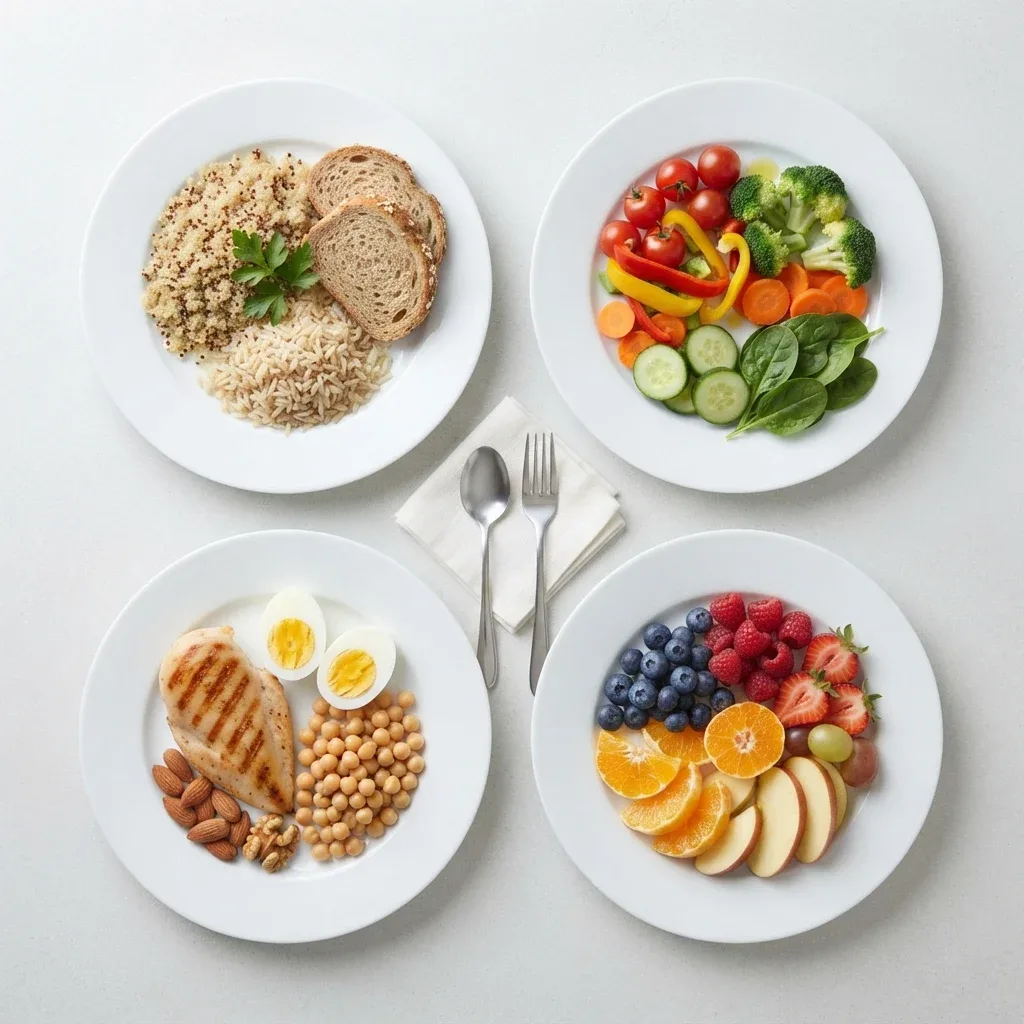
- All vegetables and fruits — rich in vitamins and fiber that remove cholesterol from the blood
- All fruits — especially banana, papaya, coconut water (great for high BP patients); guava, batabi lebu, amra, amloki, jam, olive are excellent
- Eat fruits with skin and seeds when possible — even better
- Small fish — eat plenty
- Egg white (without yolk) — can be eaten daily
Final Words
- Bring variety to your menu — eating the same good food repeatedly causes boredom
- Weigh yourself at least once a week. Losing excess weight reduces blood pressure, cholesterol, and harmful triglycerides
- Exercise regularly (walking, swimming, cycling). Exercise burns calories, controls weight, and keeps the heart working normally. If you have chest pain or a history of heart attack, be cautious about over-exertion
Source & Acknowledgement
This article is adapted from "Heart Attack o Stroke: Jana Ojana" by Prof. Dr. Triptish Chandra Ghose, Founder President of Heart Care Foundation Comilla and one of Bangladesh's leading cardiologists. His experience-based guidance on heart health is invaluable for our readers.
Gallery
Frequently Asked Questions
লাল মাংস কি একেবারেই খাওয়া যাবে না?
লাল মাংস যতটা সম্ভব এড়িয়ে চলুন। পারিবারিকভাবে হার্ট অ্যাটাকের ইতিহাস থাকলে অল্প বয়স থেকেই বর্জন করুন। সুস্থ ব্যক্তিও প্রতিদিন নয়, মাঝেমধ্যে একটু খেতে পারেন।